Health articles
Written by the HealthJai content team and reviewed by clinicians, to help you compare packages with some understanding behind it. Not individual medical advice.
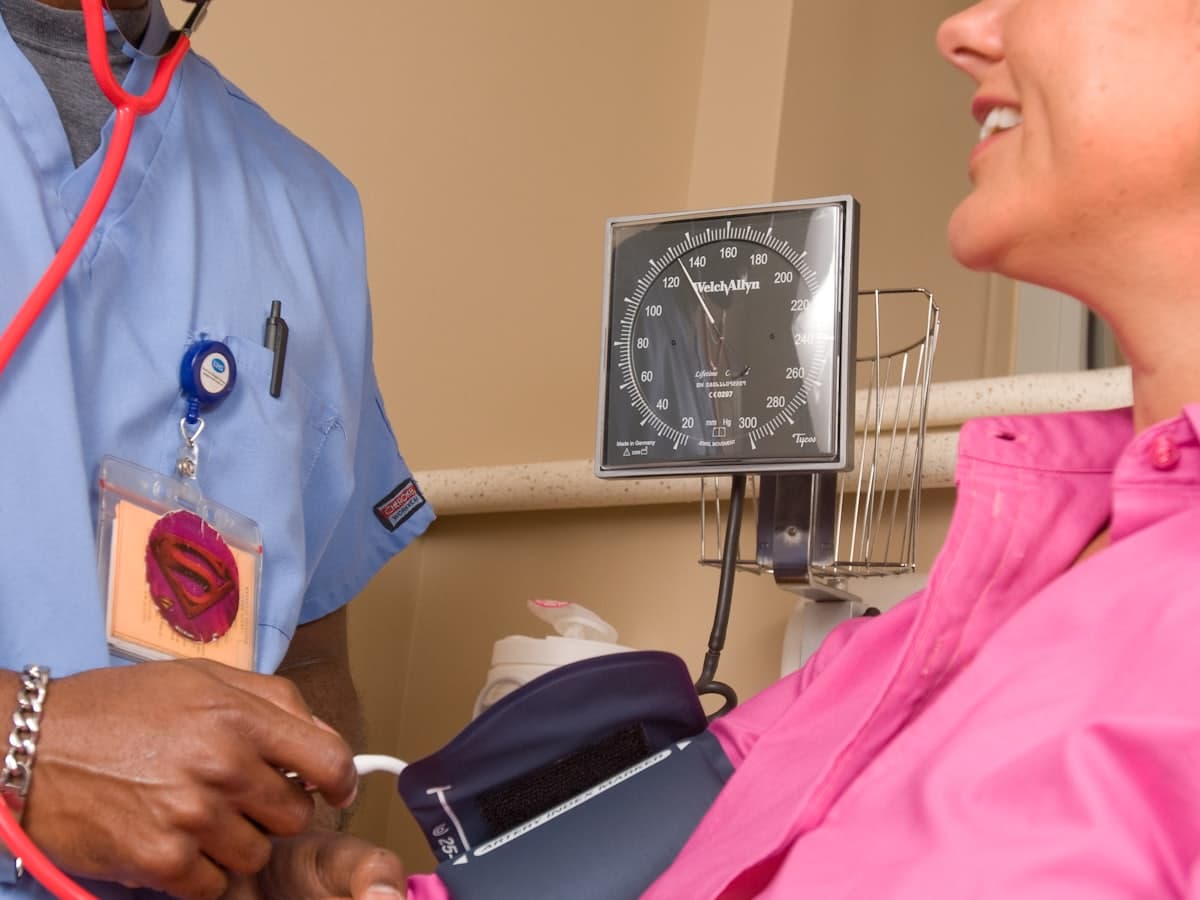
A check-up report is dozens of numbers, each with a reference range beside it. A value outside the range does not always mean illness, and one inside it does not always mean there is nothing to watch. Here is how to read the report, and which lines to take to a doctor.

Filling prices vary several-fold, and part of that is the material. This compares tooth-coloured composite with silver amalgam on the four things patients ask about — looks, durability, procedure and price — so you can choose before you are in the chair.

What a “unit” is, why two clinics can differ two-fold in price, and when you will see the result. This answers the questions first-timers ask most, and says what to check on a package page before you book.

Flu in Thailand peaks twice a year, and the vaccine protects for about a year — so the month you have it matters. This sets out the recommended window, the groups who should have it every year without a second thought, and the annual question about strains.

The question labs hear most is “do I need to fast?”. It depends on the test: not everything needs it, and fasting the wrong way skews results as much as not fasting. Here is what needs it, what does not, and how to do it properly.

Almost every working adult has had low back pain. Most of it settles in 2–6 weeks; some needs treatment; and a few signs mean a doctor first. This helps you tell the three apart.

Many people think an eye exam is reading letters off a chart and getting a prescription. That is one part. Most of the eye diseases that cause blindness have no symptoms early on, and are found by the rest of it. Here is what an eye-exam package is made of.
Dry, stinging, gritty eyes by mid-afternoon are familiar to almost everyone who works at a screen. Most of it is fixed by habits and artificial tears; some of it is a condition that needs treatment. Here is what you can do yourself, and where the line is.

The average clinic consultation is 10–15 minutes, and part of it goes on remembering when the symptom started or what that tablet is called. Ten minutes of preparation before leaving home gives the doctor complete information and gets you the answers you came for.
A video consultation saves the journey and gets you a doctor sooner, but a doctor cannot examine you through a camera. This says which problems work well online, which should be seen in person, and what to prepare so the call is worth it.
The best-value check-up is not the longest one — it is the one that matches your age and your risks. This article sets out what each price band usually covers, so comparing is easier before you book.
An advertised scaling price is usually a starting price. What moves the bill is polishing, X-rays and any follow-up treatment. Here is what is typically included and what is charged on top.